

Thinking about going to University but wondering if you’ve missed your chance to start this year? You’re not alone.
One of the biggest misconceptions about University is that you need to begin your studies in at the beginning of the year. Many THSA students start their degree mid-year and discover there are a few unexpected advantages to taking that first step sooner rather than later.
While Term 3 (July) and Term 5 (October) may have smaller intakes than Term 1 (February), students don’t study separately. You’ll join classes alongside students who are already progressing through their degree, giving you access to the same learning experience, support and industry-focused education regardless of when you start. 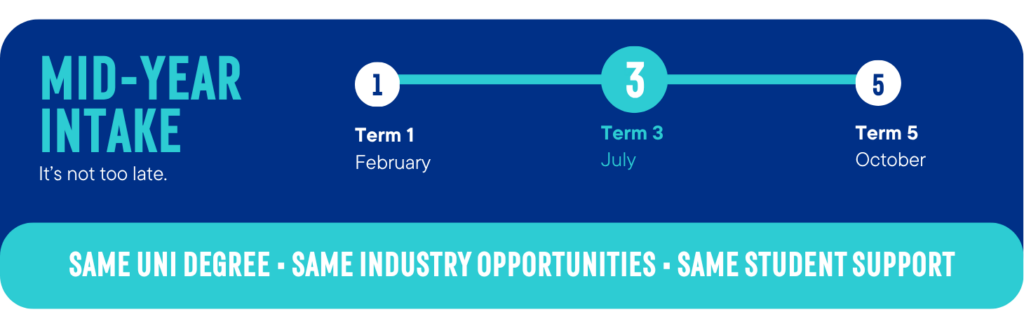
Whether you’re a recent school leaver, looking for a career change or returning to study after time in the workforce, a mid-year intake could be the opportunity you’ve been waiting for. Every year, our Course Advisors speak with students who think they’ve missed their chance to start University.
Here are five things they wish more people knew starting their degrees in the middle of the year.
1. You’re Not Starting Alone
A common concern for prospective students is that everyone will already know each other.
We’ve seen that mid-year intakes attract students from all kinds of backgrounds. Some are recent school leavers, while others are changing careers, transferring from another course or returning to study after time in the workforce. That means you’ll be joining a cohort of students who are often in exactly the same position as you. 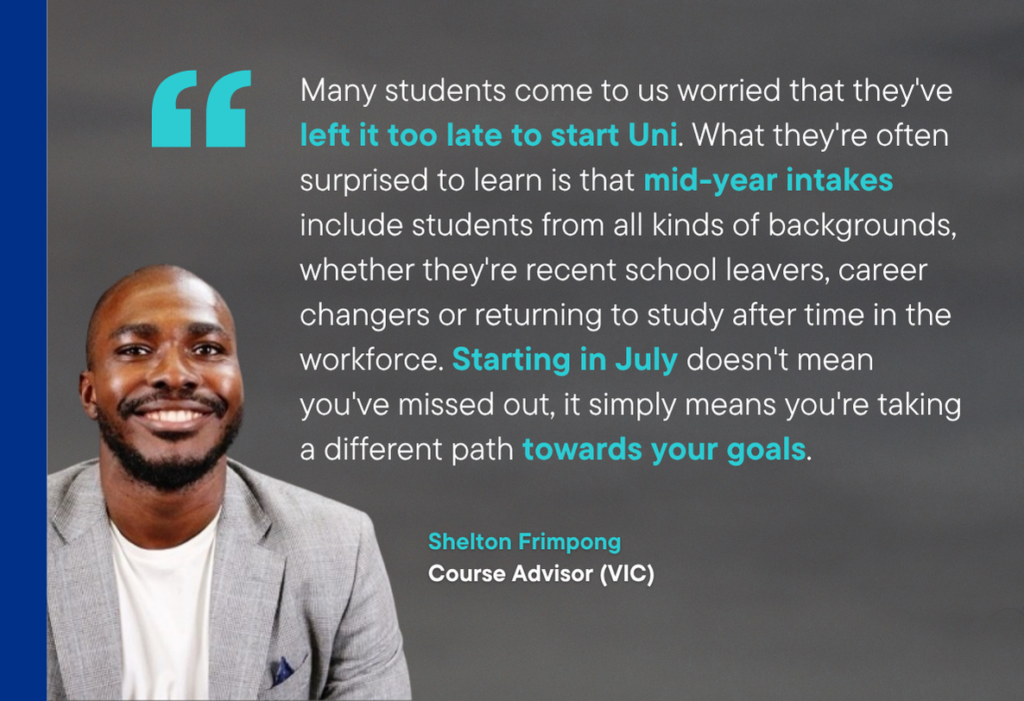
“Many students come to us worried that they’ve left it too late to start Uni. What they’re often surprised to learn is that mid-year intakes include students from all kinds of backgrounds, whether they’re recent school leavers, career changers or returning to study after time in the workforce. Starting in July doesn’t mean you’ve missed out, it simply means you’re taking a different path towards your goals.”
-Shelton Frimpong, Course Advisor (VIC)
2. There Are More Flexible Study Options Than Ever
University study looks very different today than it did even a few years ago.
At THSA, students can choose from a range of study options designed to fit their goals, experience and stage of life. For undergraduate students, flexible pathways such as the Diploma, Associate Degree and Bachelor programs provide multiple entry points and the opportunity to continue progressing their studies over time.
For postgraduate students already working in tourism, hospitality or related industries, online study offers greater flexibility while continuing to build professional experience.
Flexible study options mean you don’t necessarily have to choose between progressing your career and continuing your education. 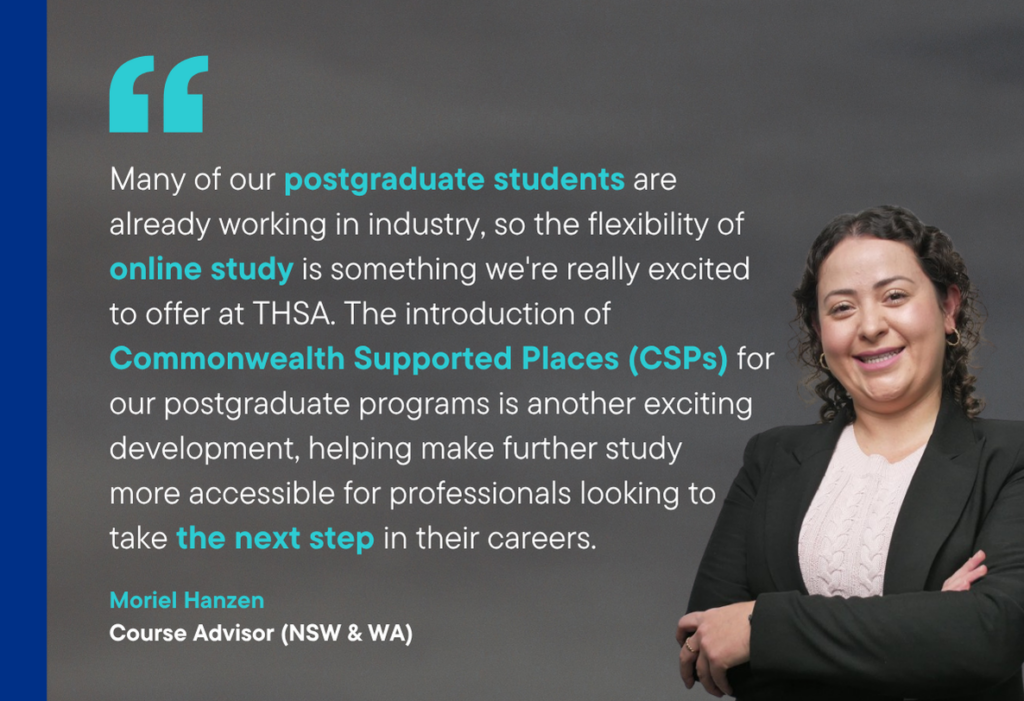
“Many of our postgraduate students are already working in industry, so the flexibility of online study is something we’re really excited to offer at THSA. The introduction of Commonwealth Supported Places (CSPs) for our postgraduate programs is another exciting development, helping make further study more accessible for professionals looking to take the next step in their careers.”
– Moriel Hanzen, Course Advisor (NSW & WA)
3. You Might Be Waiting for a “Perfect Time” That Doesn’t Exist
Many people delay starting University because they’re waiting for life to settle down. Maybe it’s work commitments. Maybe it’s finances. Maybe it’s uncertainty about what comes next. The reality is that there will always be reasons to wait.
Starting mid-year can be a reminder that you don’t need a new year, a new semester or a perfect set of circumstances to begin working towards your goals. Sometimes, the best time to start is simply when you’re ready. 
“One of the biggest things we tell prospective students is that there is rarely a perfect time to begin studying. The students who are most successful are often the ones who decide to take that first step and get started. By starting in July or October, you can begin building your qualification, industry knowledge and professional network now rather than putting your plans on hold until next year.”
– Maria Sandoval, Course Advisor (QLD)
4. You Can Graduate Sooner Than You Think
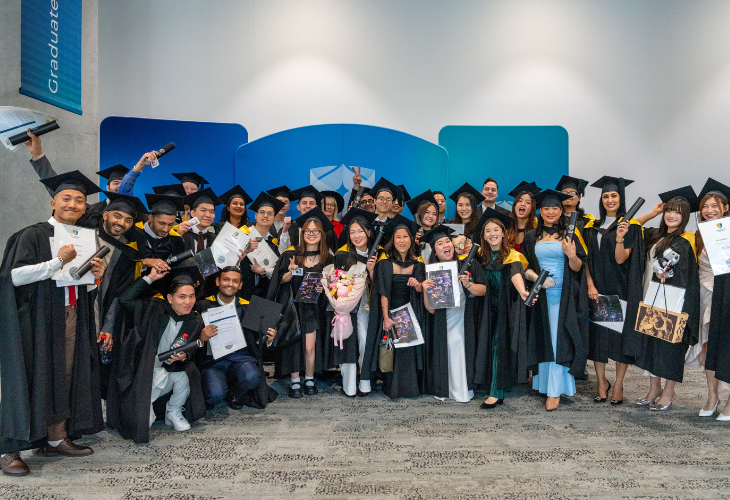
It’s easy to think, “I’ll just wait until next year.“ But waiting can mean putting your plans on hold for another six months.
Whether your goal is to work in a luxury hotel, manage major events, build a tourism career or move into a leadership role, starting now means you’ll begin developing industry knowledge, professional skills and valuable experience sooner.
Instead of spending the next six months thinking about your future, you could spend the next six months building it.
5. Your Path Doesn’t Have to Look Like Everyone Else’s

It’s easy to assume there’s a “right” way to start university. Finish school, begin in February and follow a set timeline from there. But there is no single path to university.
Some students begin straight after school. Others take a gap year. Some change careers, while others return to study after years in the workforce.
Starting in Term 3 doesn’t mean you’re behind. It simply means you’re taking the next step towards your goals. What matters isn’t when you start. What matters is that you start. And sometimes, those different paths lead to the most rewarding opportunities.
Taking the next step
If you’re ready to start working towards a career in tourism, events, hotel management, or hospitality, applications for Term 3 are now open.
Frequently Asked Questions
Still not sure if a mid-year intake is right for you? We’ve answered some of the most common questions below.
Does it matter if I start in Term 3 instead of Term 1?
Not at all. While Term 3 may have a smaller intake, students join existing classes and study alongside others already progressing through their degree. You’ll have access to the same learning experience, support services and industry opportunities regardless of when you start.
Is it better to start mid-year or wait until next year?
The best time to start is when you’re ready. Beginning your studies mid-year allows you to start building your qualification, industry knowledge and professional network now, rather than putting your plans on hold until next year. Whether you’re looking to enter the industry or advance your career, starting now means you can begin working towards your goals sooner.
Can I study while working?
Many students balance study with work commitments. THSA also offers online postgraduate study options, providing additional flexibility for working professionals.
Will I be behind if I start my degree in Term 3?
No. Courses are designed for students commencing in that intake, so you’ll start alongside other students beginning their studies in Term 3.
What courses can I start in Term 3?
Students can commence at THSA in any of our undergraduate and postgraduate programs across Term 1, Term 3 and Term 5. Speak with our Course Advisors to discuss the best option for your goals and career aspirations.
View our Key Dates here.
Are Commonwealth Supported Places available?
Commonwealth Supported Places (CSPs) are available for eligible domestic students for undergraduate and postgraduate programs. This means the Australian Government contributes towards the cost of tuition, helping make higher education more affordable.
More information about fees and financing can be viewed here.
How do I apply?
Applying is quick and can be completed online in just a few minutes. If you’re unsure which course is right for you, our Course Advisors can guide you through the process and answer any questions you may have.
Learn more about the application process here.

